


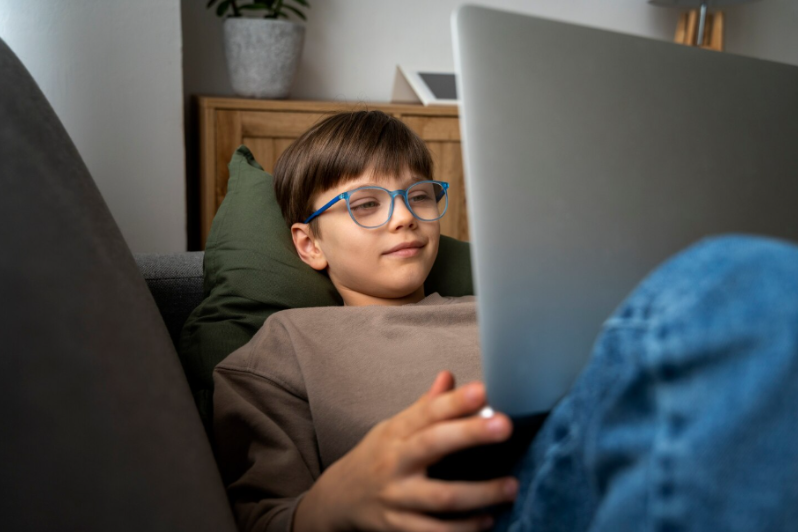
In today’s digital world, screens have become an essential part of children’s daily lives. From online learning and homework to gaming and entertainment, children spend several hours each day using smartphones, tablets, computers, and televisions. While technology offers many educational benefits, excessive screen time can affect your child’s eye health if healthy habits are not followed.
At NR Vision Eye Care & Laser Center, we believe that protecting children’s vision starts with awareness and regular eye care. Understanding how screen time affects young eyes can help parents take the right steps to keep their children’s eyesight healthy. Best Eye Hospital in Hyderabad
How Does Screen Time Affect Children’s Eyes?
Children’s eyes are still developing, making them more sensitive to prolonged digital screen exposure. Extended screen use may not permanently damage the eyes, but it can cause Digital Eye Strain, leading to discomfort and temporary vision problems. Studies also suggest that excessive near work combined with less outdoor activity may contribute to the increasing prevalence of myopia (short-sightedness) in children.
Common Symptoms of Digital Eye Strain
Parents should watch for signs such as:
- Frequent eye rubbing
- Headaches after screen use
- Dry or watery eyes
- Blurred vision
- Difficulty focusing
- Squinting while reading
- Holding devices very close to the face
- Neck and shoulder pain
- Increased sensitivity to light
If your child experiences these symptoms regularly, it may be time for a comprehensive eye examination.
Why Are Children More Vulnerable?
Unlike adults, children often become deeply engaged in digital activities and may forget to blink normally. Reduced blinking causes the eyes to become dry and tired. Long periods of focusing on nearby screens also place additional strain on the eye muscles, leading to fatigue and discomfort.
Screen Time and Myopia (Nearsightedness)
One of the growing concerns among eye specialists is the increasing number of children developing myopia.
Although screen time alone does not directly cause myopia, excessive close-up activities combined with limited outdoor play increase the risk of developing or worsening nearsightedness. Spending more time outdoors has been shown to support healthy eye development.
Simple Tips to Protect Your Child’s Vision
1. Follow the 20-20-20 Rule
Encourage your child to:
- Every 20 minutes
- Look at something 20 feet away
- For at least 20 seconds
This simple habit helps relax eye muscles and reduces digital eye strain.
2. Limit Recreational Screen Time
Balance educational screen use with offline activities.
Encourage:
- Reading books
- Outdoor games
- Creative hobbies
- Family activities
3. Encourage Outdoor Play
Children should spend at least 2 hours outdoors daily, where possible. Natural daylight and distance viewing support healthy visual development and may help reduce myopia progression.
4. Maintain Proper Viewing Distance
Teach children to:
- Hold mobile devices at least 16–18 inches away
- Sit approximately 2 feet away from computer screens
- Watch television from a comfortable distance
Good posture also reduces neck and shoulder strain.
5. Ensure Proper Lighting
Avoid using digital devices in dark rooms.
Proper room lighting helps reduce glare and minimizes eye strain.
6. Encourage Frequent Blinking
Blinking naturally keeps the eyes moist and comfortable.
Children tend to blink less while using digital devices, increasing dryness and irritation.
7. Reduce Screen Use Before Bedtime
Using digital screens before sleep can interfere with sleep quality.
Limiting screen exposure at least one hour before bedtime helps children sleep better and reduces eye fatigue.
Healthy Foods That Support Eye Development
A nutritious diet plays an important role in maintaining healthy vision.
Include foods rich in:
- Vitamin A
- Vitamin C
- Vitamin E
- Zinc
- Omega-3 Fatty Acids
- Lutein and Zeaxanthin
Examples include:
- Carrots
- Spinach
- Sweet potatoes
- Eggs
- Fish
- Citrus fruits
- Nuts
- Green leafy vegetables
When Should Parents Schedule an Eye Examination?
Book a children’s eye checkup if your child:
- Complains of blurred vision
- Frequently squints
- Sits too close to the television
- Holds books very close
- Experiences recurring headaches
- Has difficulty concentrating during studies
- Has a family history of eye conditions or wears glasses
Early diagnosis can prevent many vision-related learning difficulties.
Importance of Regular Pediatric Eye Exams
Many childhood vision problems develop gradually without obvious symptoms.
Routine eye examinations help detect conditions such as:
- Refractive errors
- Lazy eye (Amblyopia)
- Squint (Strabismus)
- Myopia
- Astigmatism
- Eye coordination problems
Early treatment offers the best opportunity for healthy visual development.
Why Choose NR Vision Eye Care & Laser Center?
At NR Vision Eye Care & Laser Center, we provide comprehensive pediatric eye care using advanced diagnostic technology and personalized treatment plans.
Our experienced eye specialists focus on:
- Comprehensive children’s eye examinations
- Myopia management
- Vision screening
- Pediatric eye disease diagnosis
- Prescription glasses evaluation
- Preventive eye care guidance for parents
We are committed to helping every child enjoy healthy vision for learning, sports, and everyday life.
Final Thoughts
Digital devices are now part of everyday life, but healthy screen habits can protect your child’s eyesight. Simple practices like taking regular breaks, encouraging outdoor play, maintaining proper screen distance, eating a balanced diet, and scheduling regular eye examinations can make a significant difference.
If your child frequently complains of eye discomfort or vision problems, don’t ignore the signs. Early evaluation by an experienced eye specialist can help protect their vision and support lifelong eye health.