


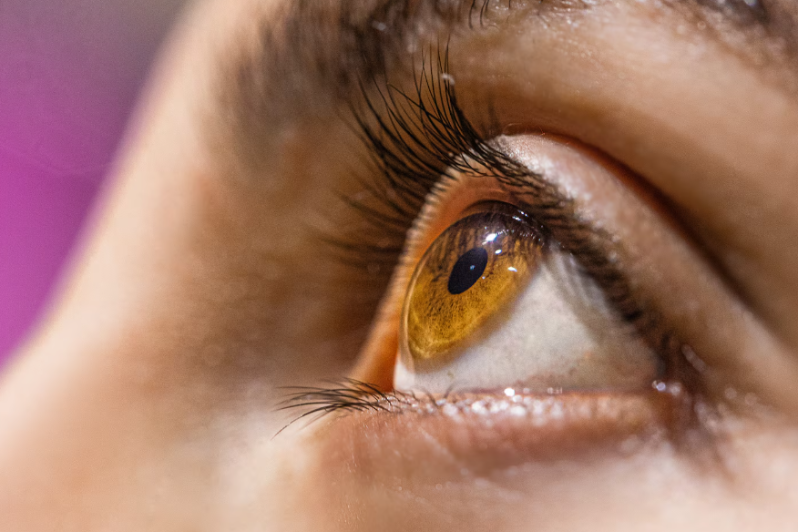
Have you ever noticed tiny black spots, thread-like shadows, or sudden flashes of light in your vision? While these symptoms are often harmless and occur naturally with age, they can sometimes be the first warning signs of a serious retinal condition. Knowing when floaters and flashes require immediate medical attention can help protect your eyesight. Best Eye Hospital in Hyderabad
At NR Vision Eye Care & Laser Center, our experienced retina specialists provide advanced diagnosis and treatment for retinal diseases, helping patients preserve their vision through early detection and timely care.
What Are Eye Floaters?
Eye floaters are small dark spots, cobweb-like strands, rings, or tiny specks that drift across your field of vision. They become more noticeable when looking at a bright background such as a clear sky or a white wall.
Floaters develop inside the vitreous the clear gel that fills the eye. As we age, the vitreous naturally shrinks and forms tiny clumps that cast shadows on the retina, creating the appearance of floating objects. Most floaters are harmless and become less noticeable over time.
What Are Flashes of Light?
Flashes appear as brief streaks, sparks, or lightning-like flashes, especially in your peripheral vision. They occur when the vitreous gel pulls on the retina.
Occasional flashes may happen during normal age-related changes, but frequent or sudden flashes should never be ignored because they may indicate retinal damage.
Common Causes of Floaters and Flashes
Several conditions can cause floaters and flashes, including:
- Natural ageing of the eye
- Posterior Vitreous Detachment (PVD)
- High myopia (severe nearsightedness)
- Eye injury or trauma
- Diabetic eye disease
- Eye inflammation (Uveitis)
- Retinal tear
- Retinal detachment
- Bleeding inside the eye (Vitreous hemorrhage)
While many of these causes are not dangerous, retinal tears and retinal detachment require immediate medical treatment.
When Are Floaters and Flashes a Retinal Emergency?
Seek emergency eye care immediately if you experience:
1. Sudden Increase in Floaters
A sudden shower of new floaters can indicate that the retina has developed a tear.
2. Repeated Flashes of Light
Frequent flashes may mean the vitreous is pulling strongly on the retina.
3. Curtain or Shadow Over Vision
If part of your vision appears covered by a dark curtain or shadow, this may be a retinal detachment.
4. Sudden Blurred or Distorted Vision
Rapid changes in vision should always be evaluated immediately.
5. Loss of Peripheral Vision
Difficulty seeing from the sides may indicate retinal damage.
6. Floaters After Eye Injury
Any flashes or floaters following trauma require urgent retinal evaluation.
These symptoms should never be ignored because retinal tears can quickly progress to retinal detachment, which may lead to permanent vision loss if not treated promptly.
Who Is at Higher Risk?
You may have a greater chance of developing retinal problems if you:
- Are over 50 years of age
- Have high myopia (high power glasses)
- Have diabetes
- Have undergone cataract surgery
- Have a previous retinal tear or detachment
- Have a family history of retinal disease
- Experienced an eye injury
Regular retinal examinations are especially important for these individuals.
How Is the Problem Diagnosed?
Your ophthalmologist may recommend:
- Comprehensive dilated eye examination
- Digital retinal imaging
- Optical Coherence Tomography (OCT)
- Fundus photography
- Ultrasound scan (if retinal view is blocked)
These advanced diagnostic tests help detect retinal tears before they become vision-threatening.
Treatment Options
Treatment depends on the underlying condition.
Observation
Harmless floaters caused by ageing usually do not require treatment.
Laser Treatment
Small retinal tears can often be sealed using laser photocoagulation to prevent retinal detachment.
Retinal Surgery
Advanced retinal detachments may require procedures such as:
- Vitrectomy
- Scleral Buckling
- Pneumatic Retinopexy
Early treatment significantly improves the chances of preserving vision.
Can Floaters Be Prevented?
Although age-related floaters cannot always be prevented, you can reduce the risk of serious retinal problems by:
- Scheduling regular comprehensive eye examinations
- Managing diabetes and high blood pressure
- Wearing protective eyewear during sports and work
- Seeking immediate medical care for sudden vision changes
- Avoiding delays if flashes or new floaters appear
Why Choose NR Vision Eye Care?
At NR Vision Eye Care & Laser Center, we provide advanced retinal care using modern diagnostic technology and evidence-based treatment. Our experienced retina specialists diagnose and manage retinal tears, retinal detachment, diabetic retinopathy, macular disorders, and other complex retinal diseases with personalized treatment plans.
Frequently Asked Questions (FAQs)
Are eye floaters always dangerous?
No. Most floaters are a normal part of ageing. However, a sudden increase in floaters or floaters accompanied by flashes should be evaluated immediately.
Can retinal detachment cause blindness?
Yes. Untreated retinal detachment can result in permanent vision loss, making early diagnosis and treatment essential.
Do flashes always indicate a retinal tear?
Not always. Flashes may occur due to normal vitreous changes, but persistent or sudden flashes should always be examined by an eye specialist.
Should diabetic patients worry about floaters?
Yes. Diabetes can damage retinal blood vessels, making any new floaters an important reason to schedule an eye examination.
Conclusion
Most eye floaters and flashes are harmless, but they should never be ignored when they appear suddenly, increase rapidly, or occur with blurred vision, flashes, or a curtain-like shadow. These symptoms may indicate a retinal tear or retinal detachment conditions that require urgent treatment to prevent permanent vision loss.
If you experience sudden vision changes, schedule an immediate retinal examination at NR Vision Eye Care & Laser Center. Early diagnosis can save your sight.