

Diabetes affects millions of people worldwide, but many are unaware that it can also damage their eyesight. One of the most common diabetes-related eye conditions is Diabetic Retinopathy, a serious disease that affects the retina and can lead to permanent vision loss if left untreated. The good news is that regular eye checkups can detect diabetic retinopathy in its early stages, allowing timely treatment and helping preserve your vision. Early detection and blood sugar control are key to preventing severe vision impairment.
At NR Vision Eye Care & Laser Centre, we believe that protecting your eyesight is just as important as managing your diabetes. Our experienced retina specialists use advanced diagnostic technology to detect diabetic eye diseases before they cause irreversible damage.
What is Diabetic Retinopathy?
Diabetic Retinopathy is a complication of diabetes that occurs when consistently high blood sugar levels damage the tiny blood vessels in the retina the light-sensitive tissue at the back of the eye. As the disease progresses, these blood vessels may leak fluid, bleed, or become blocked, leading to blurred vision and even blindness if left untreated. Best Eye Hospital in Hyderabad
The condition usually develops gradually and often has no noticeable symptoms in the early stages, making regular eye examinations extremely important.
Why is Diabetic Retinopathy Dangerous?
One of the biggest challenges with diabetic retinopathy is that many patients experience no pain or vision changes until the disease has already progressed. By the time symptoms appear, permanent retinal damage may have already occurred. Early retinal screening is therefore essential for anyone living with diabetes.
If left untreated, diabetic retinopathy can lead to:
- Permanent vision loss
- Diabetic Macular Edema (DME)
- Retinal bleeding
- Retinal detachment
- Complete blindness
Common Symptoms of Diabetic Retinopathy
While early stages may not show symptoms, advanced diabetic retinopathy may cause:
- Blurred vision
- Floaters or dark spots
- Difficulty seeing at night
- Distorted vision
- Fluctuating eyesight
- Dark or empty areas in vision
- Sudden vision loss
If you notice any of these symptoms, consult an eye specialist immediately.
Who is at Risk?
You are at higher risk of diabetic retinopathy if you:
- Have Type 1 or Type 2 diabetes
- Have had diabetes for many years
- Have uncontrolled blood sugar levels
- Have high blood pressure
- Have high cholesterol
- Smoke
- Are pregnant with diabetes
Even if your vision appears normal, diabetic eye disease may still be developing silently.
Why Regular Eye Checkups Matter
Many people only visit an eye doctor when they notice blurred vision. However, diabetic retinopathy often begins long before symptoms develop.
Regular comprehensive eye examinations help:
- Detect retinal damage early
- Prevent permanent vision loss
- Monitor disease progression
- Start treatment at the right time
- Protect long-term eye health
Experts recommend that people with diabetes undergo a comprehensive dilated eye examination at least once every year, or more often if advised by their ophthalmologist.
How is Diabetic Retinopathy Diagnosed?
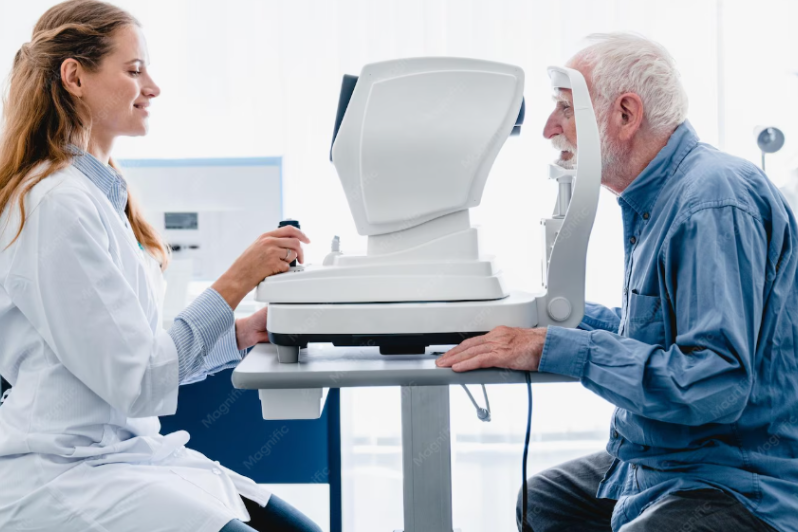
At NR Vision Eye Care & Laser Centre, advanced eye screening techniques help identify diabetic retinal changes accurately.
Diagnostic tests may include:
- Comprehensive Eye Examination
- Dilated Retina Examination
- Digital Fundus Photography
- Optical Coherence Tomography (OCT)
- Fluorescein Angiography (when required)
These painless tests allow specialists to detect even the earliest signs of retinal damage.
Treatment Options for Diabetic Retinopathy
Treatment depends on the stage and severity of the disease.
Common treatment options include:
1. Blood Sugar Management
Keeping diabetes under control significantly reduces disease progression.
2. Anti-VEGF Injections
These medications reduce abnormal blood vessel growth and retinal swelling.
3. Laser Treatment
Laser therapy seals leaking blood vessels and prevents further retinal damage.
4. Vitrectomy Surgery
Advanced cases involving retinal bleeding or detachment may require surgery.
Modern treatments can preserve vision effectively, especially when started early.
Tips to Prevent Diabetic Retinopathy
Although diabetic retinopathy cannot always be prevented completely, you can significantly lower your risk by:
- Maintaining healthy blood sugar levels
- Controlling blood pressure
- Managing cholesterol
- Eating a balanced diet
- Exercising regularly
- Avoiding smoking
- Taking diabetes medications as prescribed
- Scheduling annual diabetic eye checkups
Small lifestyle changes can make a big difference in protecting your eyesight.
Why Choose NR Vision Eye Care & Laser Centre?
At NR Vision Eye Care & Laser Centre, we are committed to delivering comprehensive diabetic eye care with advanced technology and compassionate treatment.
Our services include:
- Advanced Retina Evaluation
- Comprehensive Diabetic Eye Screening
- OCT Retina Imaging
- Laser Retina Treatments
- Personalized Eye Care Plans
- Experienced Eye Specialists
- Modern Diagnostic Equipment
Our goal is to detect eye diseases early and help patients preserve clear, healthy vision for years to come.
When Should You Schedule an Eye Checkup?
You should book a diabetic eye examination if:
- You have recently been diagnosed with diabetes
- It has been more than one year since your last eye exam
- Your blood sugar levels are poorly controlled
- You notice blurred vision or floaters
- You have high blood pressure along with diabetes
Remember, early diagnosis can save your eyesight.
Final Thoughts
Diabetic Retinopathy is one of the leading causes of preventable blindness among adults with diabetes. The condition often develops silently, making regular eye checkups the most effective way to detect problems early and begin timely treatment. With proper diabetes management, routine retinal screening, and expert eye care, most diabetes-related vision loss can be prevented.
If you have diabetes, don’t wait for symptoms to appear. Schedule your comprehensive diabetic eye examination at NR Vision Eye Care & Laser Centre and take the first step toward protecting your vision.