

Diabetes affects millions of people worldwide, and while most individuals focus on controlling blood sugar levels, many overlook its impact on eye health. One of the most common eye problems associated with diabetes is cataracts. People with diabetes are more likely to develop cataracts at an earlier age, and the condition may progress more rapidly than in people without diabetes. Fortunately, with early diagnosis and timely treatment, vision can be restored successfully.
At NR Vision Eye Care & Laser Center, we are committed to helping diabetic patients protect their eyesight through advanced diagnostic technology, expert eye care, and modern cataract surgery.
What Are Cataracts?
A cataract occurs when the eye’s natural lens becomes cloudy, preventing light from passing clearly to the retina. This cloudiness causes blurred or hazy vision and gradually affects daily activities such as reading, driving, watching television, or recognizing faces. Best Cataract Surgery Doctors in Hyderabad
Although cataracts are commonly associated with aging, people with diabetes have a significantly higher risk of developing cataracts earlier in life.
Why Does Diabetes Increase the Risk of Cataracts?
High blood sugar levels affect every part of the body, including the eyes. Excess glucose enters the eye lens and converts into sorbitol, causing water accumulation within the lens. Over time, this process damages lens proteins and leads to cloudiness.
Additionally, diabetes causes:
- Increased oxidative stress
- Damage to lens proteins
- Poor healing ability
- Faster cataract progression
This is why diabetic patients often experience cataracts years earlier than non-diabetic individuals.
Common Symptoms of Cataracts in Diabetic Patients
Recognizing symptoms early is essential for preventing vision loss.
Watch for the following signs:
- Blurred or cloudy vision
- Difficulty reading
- Increased sensitivity to bright lights
- Glare while driving at night
- Double vision in one eye
- Faded or dull colors
- Frequent changes in eyeglass prescription
- Poor night vision
If you experience any of these symptoms, schedule a comprehensive eye examination as soon as possible.
Who Is at Higher Risk?
Certain diabetic patients are more likely to develop cataracts.
Risk factors include:
- Poorly controlled blood sugar
- Diabetes for more than 10 years
- High blood pressure
- High cholesterol
- Smoking
- Obesity
- Long-term steroid medication
- Age above 50 years
Managing these risk factors can help slow cataract development.
Can Cataracts Be Prevented?
While cataracts cannot always be prevented, maintaining healthy blood sugar levels greatly reduces the risk of early progression.
Simple preventive measures include:
- Keep blood sugar under control
- Follow your diabetes treatment plan
- Eat a balanced diet rich in fruits and leafy vegetables
- Exercise regularly
- Wear UV-protective sunglasses
- Stop smoking
- Attend regular diabetic eye check-ups
Routine eye examinations are one of the most effective ways to detect cataracts early.
Importance of Regular Diabetic Eye Examinations
Many diabetic eye conditions develop without noticeable symptoms during the early stages.
A comprehensive diabetic eye examination helps detect:
- Cataracts
- Diabetic Retinopathy
- Glaucoma
- Macular Edema
- Retinal Disorders
Early diagnosis allows treatment before permanent vision damage occurs.
At NR Vision Eye Care & Laser Center, advanced diagnostic equipment helps detect even the earliest changes in diabetic eyes.
How Are Cataracts Diagnosed?
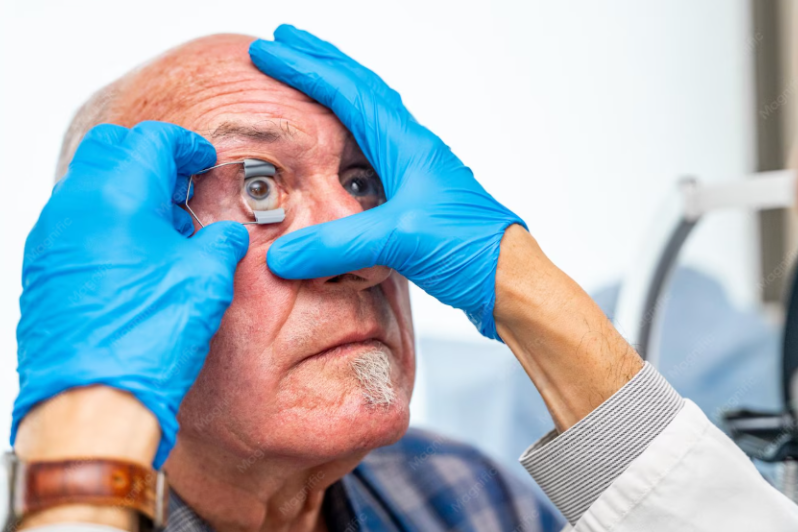
An ophthalmologist performs several painless tests, including:
- Visual Acuity Test
- Slit Lamp Examination
- Retinal Evaluation
- Eye Pressure Measurement
- Lens Examination
- Intraocular Lens (IOL) Measurement
These tests help determine the severity of cataracts and identify any diabetic retinal complications before surgery.
Is Cataract Surgery Safe for Diabetic Patients?
Yes.
Modern cataract surgery is highly safe and effective for diabetic patients when proper evaluation is performed before surgery.
Before surgery, your eye specialist will evaluate:
- Blood sugar control
- Retina health
- Presence of diabetic retinopathy
- Macular swelling
- Overall eye condition
If retinal disease is present, it may need treatment before or alongside cataract surgery for the best visual outcome.
Modern Cataract Surgery at NR Vision Eye Care
At NR Vision Eye Care & Laser Center, we perform advanced phacoemulsification cataract surgery, a minimally invasive procedure that removes the cloudy lens through a tiny incision and replaces it with a clear artificial intraocular lens (IOL).
Benefits include:
- Stitch-less surgery
- Minimal discomfort
- Faster recovery
- Improved vision
- Short procedure time
- Same-day discharge in most cases
- High success rate
Recovery After Cataract Surgery
Most patients notice improved vision within a few days.
To ensure smooth recovery:
- Use prescribed eye drops
- Avoid rubbing the eyes
- Protect the eyes from dust and water
- Wear protective glasses outdoors
- Avoid heavy lifting for a few weeks
- Attend all follow-up appointments
Diabetic patients should continue monitoring blood sugar carefully during the recovery period.
When Should You See an Eye Specialist?
Do not ignore vision changes if you have diabetes.
Visit an eye specialist immediately if you notice:
- Sudden blurred vision
- Difficulty seeing at night
- Increased glare
- Frequent prescription changes
- Floaters
- Eye pain
- Vision loss
Prompt evaluation can help preserve your vision.
Why Choose NR Vision Eye Care & Laser Center?
At NR Vision Eye Care & Laser Center, we provide personalized eye care for diabetic patients using advanced technology and evidence-based treatment.
Our advantages include:
- Experienced cataract surgeons
- Advanced diagnostic equipment
- Comprehensive diabetic eye screening
- Modern phaco cataract surgery
- Personalized treatment plans
- Compassionate patient care
- Comprehensive retinal evaluation before surgery
Our goal is to help every patient enjoy clearer vision and a better quality of life.
Conclusion
Diabetes can significantly increase the risk of cataracts, but early diagnosis and timely treatment can prevent unnecessary vision loss. Regular diabetic eye examinations, good blood sugar control, and prompt medical attention are the keys to maintaining healthy eyesight.
If you or a loved one has diabetes and is experiencing blurred vision or other eye problems, don’t wait. Schedule a comprehensive eye examination at NR Vision Eye Care & Laser Center and take the first step toward protecting your vision.