


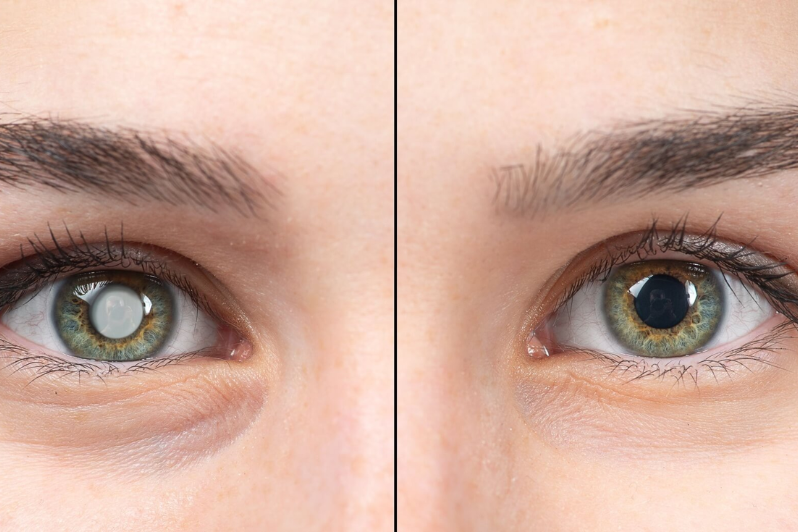
Cataract surgery is one of the safest and most successful eye procedures performed today. Thanks to advanced stitch-less phacoemulsification cataract surgery, most patients experience improved vision within a few days and can return to their normal routine quickly. At NR Vision Eye Care & Laser Center, patients receive personalized care before, during, and after surgery to ensure a smooth recovery and excellent visual outcomes.
If you’re preparing for cataract surgery or have recently undergone the procedure, understanding the recovery process can help you heal comfortably and achieve the best possible results.
What Happens After Cataract Surgery?
During cataract surgery, the cloudy natural lens is removed and replaced with a clear Intraocular Lens (IOL). Since modern cataract surgery is minimally invasive, most patients are discharged on the same day.
Immediately after surgery, you may experience:
- Mild blurry vision
- Slight itching or irritation
- Watering of the eyes
- Sensitivity to bright lights
- Mild redness
These symptoms are generally temporary and improve as the eye heals. Most patients notice better vision within 24 to 48 hours, while complete healing usually takes 4 to 6 weeks.
Cataract Surgery Recovery Timeline
First 24 Hours
- Rest your eyes as much as possible.
- Wear the protective eye shield recommended by your ophthalmologist.
- Avoid touching or rubbing your eyes.
- Begin using prescribed eye drops exactly as directed.
- Vision may still appear blurry, which is completely normal.
First Week
Most patients notice a significant improvement in vision.
During this period:
- Continue all prescribed medications.
- Wear sunglasses when outdoors.
- Avoid dust, smoke, and polluted environments.
- Do not lift heavy objects.
- Avoid bending your head downward frequently.
- Skip strenuous exercise.
Two to Four Weeks
Your eye continues to heal during this stage.
You may gradually return to:
- Office work
- Reading
- Watching television
- Using computers and mobile phones
- Light household activities
Swimming, eye makeup, and contact sports should still be avoided until your doctor approves.
One Month and Beyond
Most patients achieve stable vision after about one month.
Your doctor may:
- Check your final vision
- Prescribe new glasses if required
- Confirm complete healing
- Schedule surgery for the second eye if needed
Recovery Tips After Cataract Surgery
1. Use Eye Drops Regularly
Eye drops reduce inflammation, prevent infection, and support faster healing.
Never skip doses or stop medication without consulting your eye specialist.
2. Avoid Rubbing Your Eye
Even if your eye feels itchy, avoid rubbing it. Rubbing can slow healing and increase the risk of infection.
3. Protect Your Eyes
Wear:
- Protective eye shield while sleeping (if advised)
- UV-protective sunglasses outdoors
- Protective eyewear in dusty environments
4. Keep Water Away Initially
For the first few days:
- Avoid splashing water directly into the eye.
- Be careful while washing your face.
- Avoid swimming pools and hot tubs.
5. Avoid Heavy Physical Activities
For at least two weeks:
- No heavy lifting
- No gym workouts
- No running
- No yoga positions involving head-down movements
6. Eat a Healthy Diet
Nutrition supports faster recovery.
Include foods rich in:
- Vitamin A
- Vitamin C
- Vitamin E
- Zinc
- Omega-3 fatty acids
- Green leafy vegetables
- Citrus fruits
- Carrots
- Fish
- Nuts
Staying hydrated also promotes healing.
7. Attend Follow-Up Appointments
Regular follow-up visits allow your ophthalmologist to monitor healing and address any concerns early.
What Is Normal After Cataract Surgery?
Many patients worry about temporary changes in vision.
Normal symptoms include:
- Mild blurred vision
- Halos around lights
- Mild eye discomfort
- Slight tearing
- Light sensitivity
- Feeling like something is in the eye
These symptoms usually improve within days or weeks.
When Should You Contact Your Eye Doctor?
Seek immediate medical attention if you notice:
- Severe eye pain
- Sudden vision loss
- Increasing redness
- Thick yellow or green discharge
- Persistent flashes of light
- Numerous new floaters
- Severe swelling
- Fever associated with eye pain
Prompt evaluation can prevent serious complications.
Can You Resume Daily Activities?
Most patients can safely resume:
| Activity | When You Can Resume |
| Walking | Same day |
| Watching TV | 1–2 days |
| Reading | 1–2 days |
| Computer work | 2–3 days |
| Driving | After doctor’s approval |
| Office work | 3–7 days |
| Exercise | After 2–4 weeks |
| Swimming | After doctor’s approval |
Recovery varies depending on your eye condition and overall health.
Tips for Better Vision After Cataract Surgery
To achieve the best results:
- Follow all medication instructions.
- Attend every follow-up appointment.
- Wear UV-protective sunglasses.
- Maintain good blood sugar levels if you have diabetes.
- Avoid smoking.
- Eat a nutrient-rich diet.
- Protect your eyes from injury.
Why Choose NR Vision Eye Care for Cataract Surgery?
At NR Vision Eye Care & Laser Center, patients benefit from:
- Experienced cataract surgeons
- Advanced stitch-less Phacoemulsification surgery
- Premium Intraocular Lens (IOL) options
- Personalized treatment plans
- Modern diagnostic technology
- Comprehensive pre-operative and post-operative care
- Convenient location in Nallagandla, Hyderabad, serving nearby areas including Gachibowli, Kondapur, Lingampally, and Tellapur.
Frequently Asked Questions (FAQs)
How long does it take to recover after cataract surgery?
Most patients notice clearer vision within 24–48 hours, while complete healing generally takes 4–6 weeks.
Is blurry vision normal after cataract surgery?
Yes. Mild blurry vision is common during the first few days and gradually improves.
Can I watch TV after cataract surgery?
Yes. Most patients can watch television within one or two days if comfortable.
When can I drive after cataract surgery?
Only after your ophthalmologist confirms that your vision meets safe driving standards.
Will I still need glasses?
Some patients may need glasses for reading or certain tasks, depending on the type of intraocular lens implanted.
Conclusion
Cataract surgery offers a new beginning for clearer, brighter vision. Following your ophthalmologist’s recovery instructions, taking prescribed medications, and attending follow-up visits are the keys to a successful outcome. With advanced surgical techniques and expert post-operative care, most patients return to their normal activities quickly and enjoy a significant improvement in their quality of life.
If you’re looking for the best cataract surgery in Hyderabad, best cataract surgeon in Nallagandla, or advanced phaco cataract surgery near Gachibowli, NR Vision Eye Care is committed to helping you restore clear vision with compassionate, expert care.