

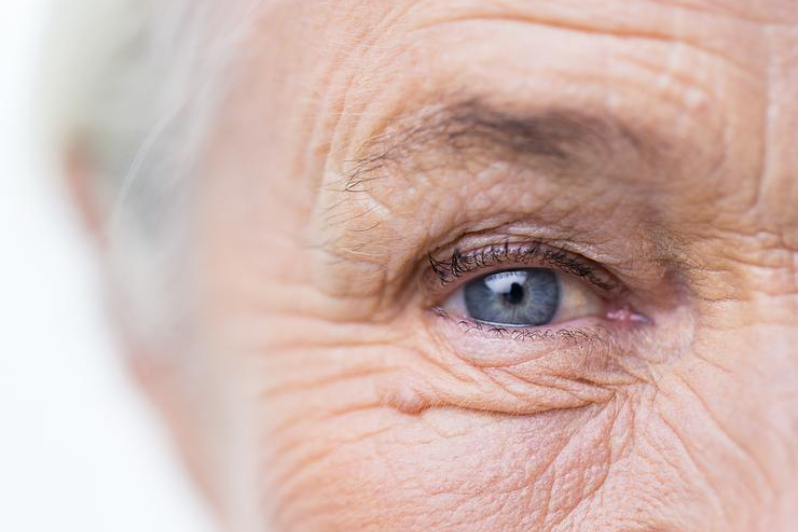
Our eyesight is one of our most precious senses, allowing us to enjoy life’s beautiful moments. However, as we age, certain eye conditions can affect our vision, and one of the most common is Age-Related Macular Degeneration (AMD). AMD is a progressive eye disease that affects the macula, the central part of the retina responsible for sharp, detailed vision. It is one of the leading causes of vision loss among people aged 50 years and above. Early detection and timely treatment can significantly slow its progression and help preserve vision. Best Eye Hospital in Hyderabad
At NR Vision Eye Care & Laser Center, our experienced retina specialists use advanced diagnostic technology to identify AMD in its early stages and provide personalized treatment plans to help patients maintain their quality of life
What is Age-Related Macular Degeneration (AMD)?
Age-Related Macular Degeneration (AMD) is an eye condition that damages the macula, a small but vital area located in the center of the retina. The macula enables us to read, recognize faces, drive, and perform tasks requiring detailed vision.
When AMD develops, central vision gradually becomes blurred or distorted, while side (peripheral) vision usually remains unaffected. AMD does not cause complete blindness, but if left untreated, it can severely affect daily activities and independence.
Types of AMD
1. Dry AMD (Non-Neovascular AMD)
Dry AMD is the most common form, accounting for nearly 80-90% of all AMD cases.
It develops gradually due to thinning of the macula and the accumulation of tiny yellow deposits called drusen beneath the retina.
Symptoms include:
- Mild blurred central vision
- Difficulty reading small print
- Reduced color brightness
- Need for brighter lighting
- Slow progression over several years
2. Wet AMD (Neovascular AMD)
Wet AMD is less common but much more serious.
It occurs when abnormal blood vessels grow beneath the retina and leak blood or fluid, causing rapid damage to the macula.
Without prompt treatment, Wet AMD can lead to permanent central vision loss within weeks or months.
Symptoms of Age-Related Macular Degeneration
AMD often develops without noticeable symptoms during its early stages. As the disease progresses, patients may experience:
- Blurred central vision
- Straight lines appearing bent or wavy
- Difficulty recognizing faces
- Dark or empty spots in the center of vision
- Trouble reading newspapers or books
- Poor vision in dim lighting
- Reduced color intensity
- Difficulty driving, especially at night
If you notice any of these symptoms, schedule an eye examination immediately. Early diagnosis can help prevent significant vision loss.
Who is at Risk for AMD?
Several factors increase the likelihood of developing AMD:
- Age above 50 years
- Family history of AMD
- Smoking
- High blood pressure
- High cholesterol
- Obesity
- Diabetes
- Excessive UV exposure
- Poor nutrition
- Lack of regular eye check-ups
Although ageing is the biggest risk factor, adopting healthy lifestyle habits can reduce the risk of disease progression.
How is AMD Diagnosed?
At NR Vision Eye Care & Laser Center, we use advanced retinal imaging technology for accurate diagnosis.
Our comprehensive evaluation may include:
Dilated Eye Examination
Allows the doctor to examine the retina and macula in detail.
Optical Coherence Tomography (OCT)
Produces high-resolution cross-sectional images of the retina to detect swelling or fluid accumulation.
Fundus Photography
Captures detailed retinal images for monitoring disease progression.
Fluorescein Angiography
Helps identify abnormal blood vessel growth associated with Wet AMD.
Early diagnosis enables better treatment outcomes and helps preserve vision.
Treatment for Age-Related Macular Degeneration
Treatment depends on whether the patient has Dry AMD or Wet AMD.
Treatment for Dry AMD
Currently, there is no cure for Dry AMD, but progression can often be slowed through:
- Regular eye monitoring
- AREDS2 nutritional supplements (when appropriate)
- Healthy diet rich in leafy green vegetables
- Omega-3 fatty acids
- Smoking cessation
- Blood pressure control
- UV protection with sunglasses
Treatment for Wet AMD
Wet AMD requires immediate medical attention.
Treatment options include:
Anti-VEGF Injections
These medications block abnormal blood vessel growth and reduce leakage, helping preserve vision.
Laser Therapy
In selected cases, laser treatment may be used to seal leaking blood vessels.
Photodynamic Therapy (PDT)
A specialized light-activated treatment for certain patients.
Many patients experience stabilization or improvement in vision with timely treatment.
Can AMD Be Prevented?
Although AMD cannot always be prevented, healthy habits can significantly reduce the risk of progression.
Protect your eyes by:
- Getting comprehensive eye exams every year after age 50
- Quitting smoking
- Eating antioxidant-rich foods
- Maintaining healthy blood pressure
- Exercising regularly
- Wearing UV-protective sunglasses
- Managing diabetes effectively
- Following your ophthalmologist’s recommendations
Healthy lifestyle choices play an important role in protecting long-term vision.
When Should You See an Eye Specialist?
Book an eye examination immediately if you experience:
- Sudden blurred vision
- Distorted or wavy lines
- Dark spots in your central vision
- Difficulty recognizing faces
- Rapid changes in eyesight
Prompt diagnosis can help prevent irreversible vision loss.
Why Choose NR Vision Eye Care & Laser Center?
At NR Vision Eye Care & Laser Center, we are committed to delivering advanced retinal care with precision and compassion.
Our advantages include:
- Experienced Retina Specialists
- Advanced OCT & Retinal Imaging
- Comprehensive Eye Examinations
- Personalized AMD Treatment Plans
- Modern Diagnostic Equipment
- Patient-Centered Care
- Advanced Eye Care Technology
- Trusted Eye Hospital in Hyderabad
Our goal is to detect eye diseases early, preserve your vision, and improve your quality of life through evidence-based treatment.
Final Thoughts
Age-Related Macular Degeneration (AMD) is a common yet potentially sight-threatening condition affecting older adults. While the disease cannot always be cured, early diagnosis, regular eye check-ups, healthy lifestyle choices, and timely treatment can significantly slow progression and protect your central vision.
If you are over 50 or have a family history of retinal diseases, don’t wait for symptoms to worsen. Schedule a comprehensive retinal examination at NR Vision Eye Care & Laser Center and take the first step toward lifelong eye health.